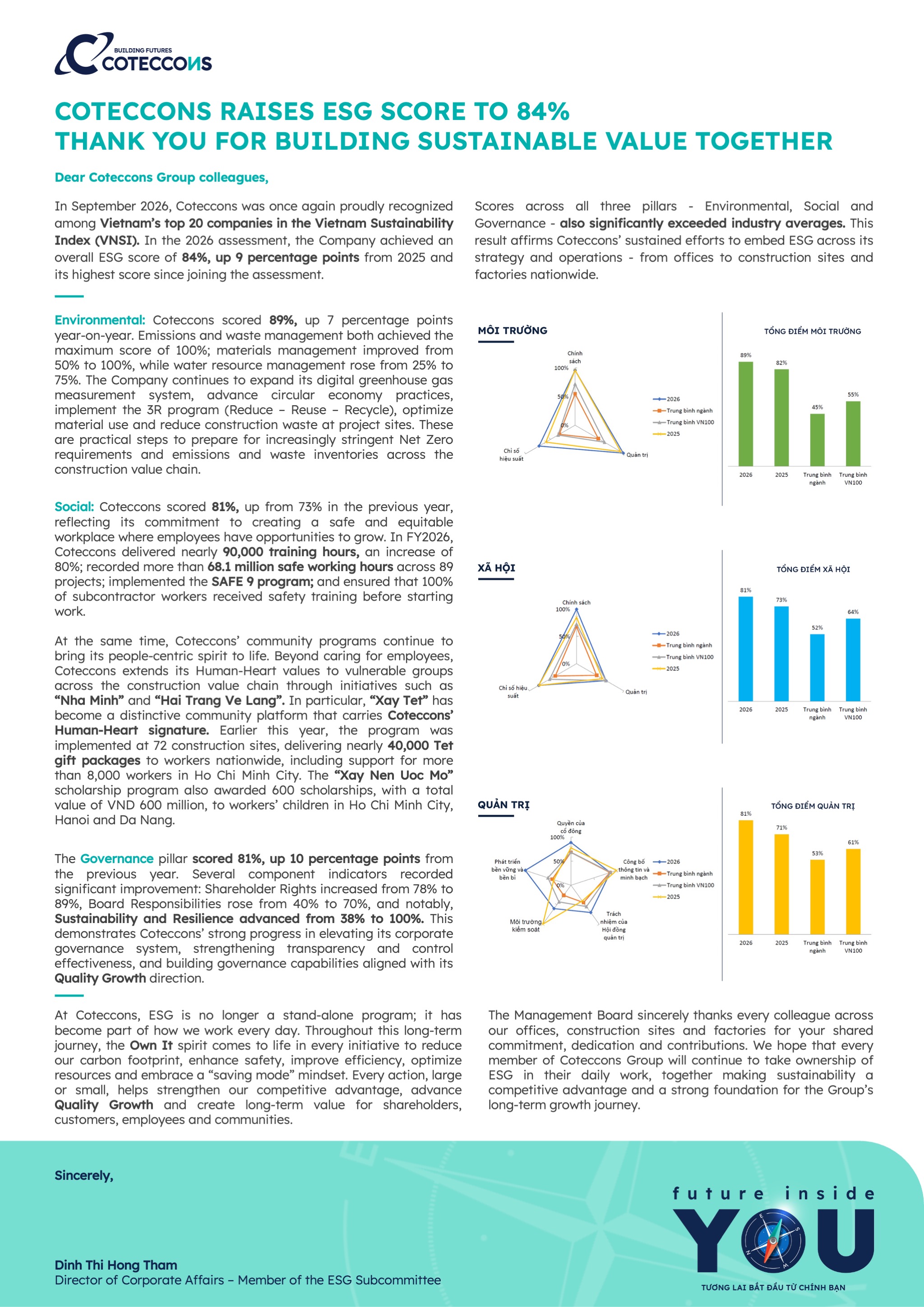
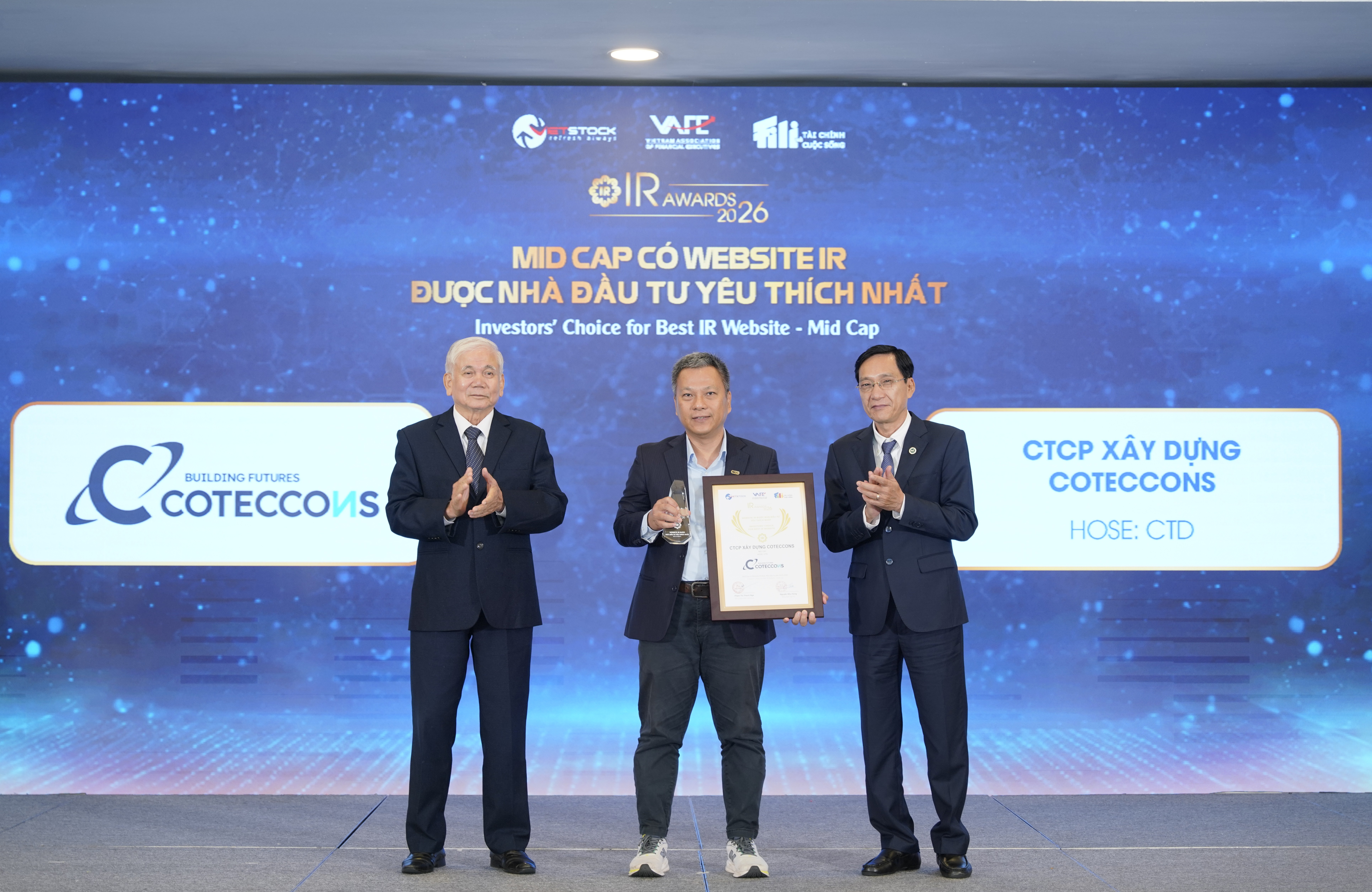
“NOT GREEN, NOT FILLED”: COTECCONS SHARES ITS VISION FOR SUSTAINABLE CONSTRUCTION AT SOLAR & STORAGE LIVE VIETNAM 2026
Ho Chi Minh City, July 8, 2026 – Within the framework of Solar & Storage Live Vietnam 2026, Ms. Nguyen Trinh Thuy Trang, Deputy CEO of Coteccons, participated in the panel discussion titled “Not Green, Not Filled: The New Rules of Vietnam’s Real Estate Market.”
Ho Chi Minh City, July 8, 2026 – Within the framework of Solar & Storage Live Vietnam 2026, Ms. Nguyen Trinh Thuy Trang, Deputy CEO of Coteccons, participated in the panel discussion titled “Not Green, Not Filled: The New Rules of Vietnam’s Real Estate Market.” During the session, the Coteccons representative shared perspectives on the role of general contractors in delivering green buildings, narrowing the gap between design and operations, and fostering a proactive mindset in response to increasingly stringent sustainability requirements and the Net Zero agenda.
Green buildings must be planned from the very beginning
According to Ms. Nguyen Trinh Thuy Trang, the key to achieving genuine green building standards does not lie in the construction phase itself, but rather in the earliest stages of project conception. As a general contractor, Coteccons adopts the Design & Build and Early Involvement Contractor models, working alongside developers from the planning stage to optimize design solutions, material selection, MEP systems, construction methods, and long-term operational strategies.
“If the goal is to develop a green building, planning must begin from the outset to avoid having to make changes during construction. Otherwise, the costs can become significantly higher.”
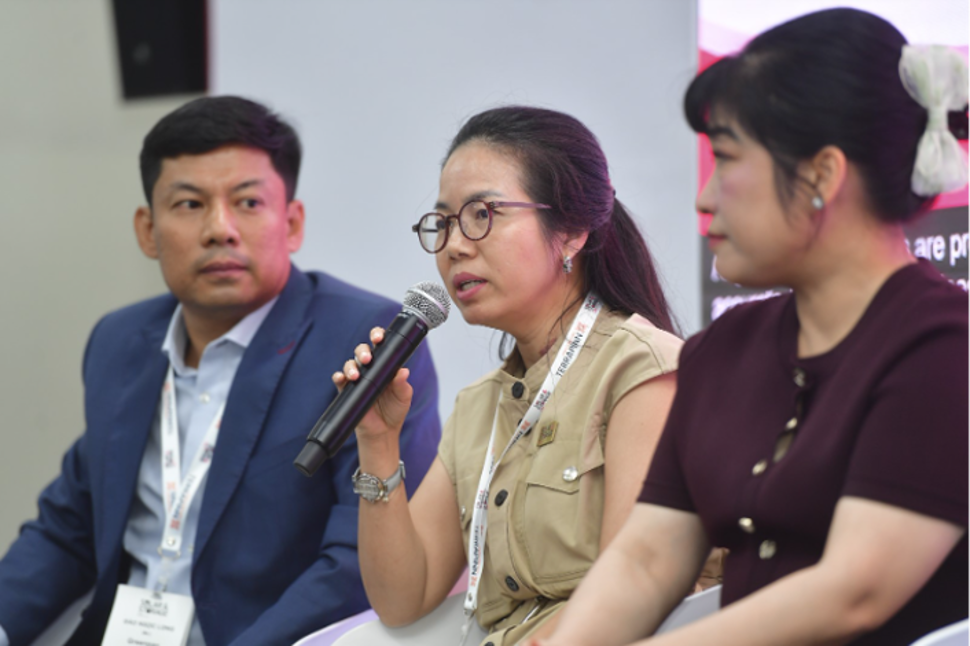
Ms. Nguyen Trinh Thuy Trang, Deputy CEO of Coteccons, speaking at the panel discussion “Not Green, Not Filled: The New Rules of Vietnam’s Real Estate Market.
”
Early engagement in the design process not only helps optimize investment value through value engineering but also enables all stakeholders to establish a long-term development strategy for the project. According to the Coteccons representative, the relationship between developers and contractors in green projects should be viewed as a strategic partnership rather than a conventional client-contractor arrangement.
“Green” extends far beyond project handover
Discussing the gap between design, construction, and operation, Ms. Nguyễn Trình Thùy Trang emphasized that the true value of a green building does not lie solely in obtaining certifications such as LEED, LOTUS, or EDGE at the completion stage. More importantly, these standards must be maintained throughout the building’s operational lifecycle.
She explained that “green” is not simply about adding more greenery; it encompasses a wide range of technical considerations, including façade design, MEP optimization, energy efficiency, emissions reduction, and material selection from the earliest design stages.
However, operational realities inevitably create gaps between design intentions and actual performance. Changes in landscaping, user behavior, and operational requirements can affect the building’s original efficiency if they are not anticipated and properly managed.
For this reason, Coteccons believes that bridging this gap requires data-driven decision-making rather than intuition.
“Developing green buildings is a long journey—it is not greenwashing. The key is ensuring that buildings remain green over time, not just at the moment of handover.”
This is precisely why Coteccons continues to strengthen the application of digital platforms and data management systems throughout the project lifecycle, enabling transparent and measurable monitoring of CO₂ emissions, energy consumption, thermal performance, and other operational indicators.
International-standard projects such as LEGO Manufacturing Vietnam, Suntory PepsiCo, Pandora, and numerous LEED-certified developments are required to generate periodic reports every six months or annually on energy consumption and emissions. These reports not only help operators optimize building performance but also enable developers to maintain green standards over the long term.
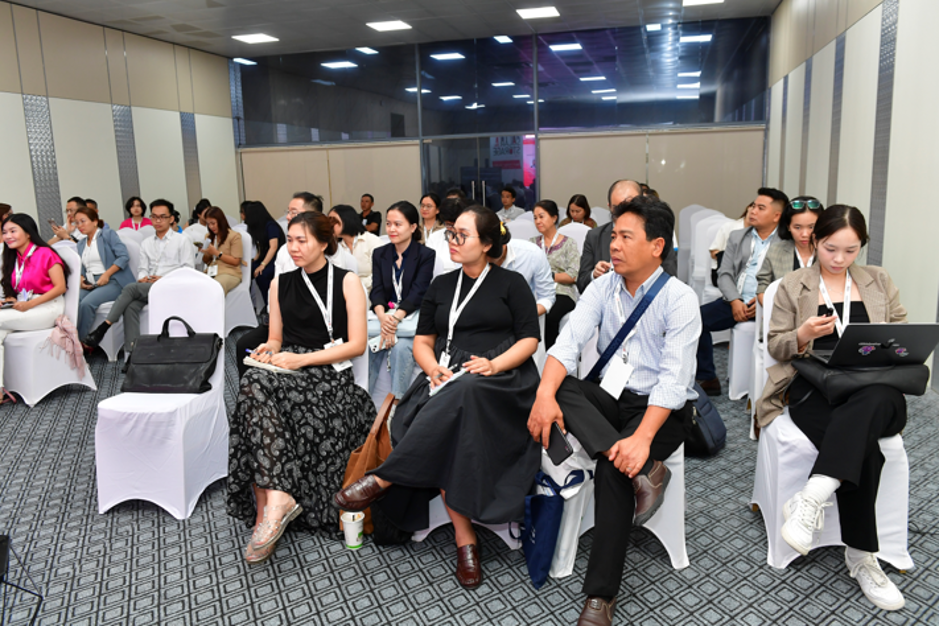
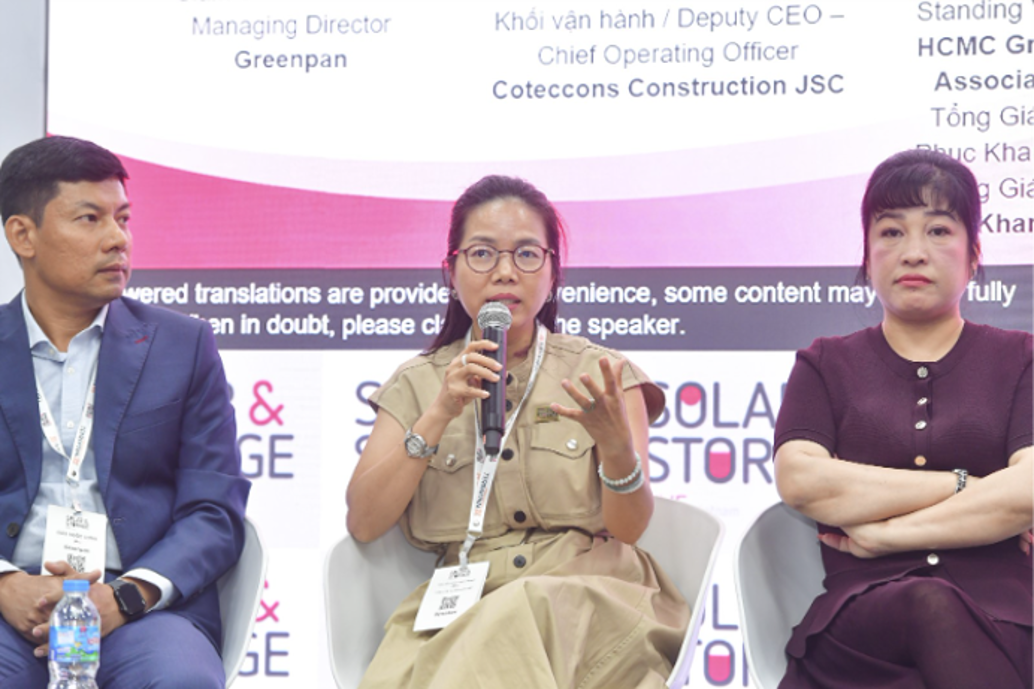
Industry experts, businesses, and attendees participated in the panel discussion held as part of Solar & Storage Live Vietnam 2026
Taking a proactive approach to the “new rules” of green real estate
Speaking about future market trends, Ms. Nguyễn Trình Thùy Trang highlighted “proactiveness” as the most important keyword for businesses.
As Vietnam gradually moves toward its Net Zero commitment by 2050, requirements related to emissions reduction, energy efficiency, and data transparency are becoming increasingly mandatory for real estate and construction projects.
According to her, companies that wait until regulations officially take effect before adapting will ultimately face much higher retrofit costs than those that invest early.
“If we do not act now, we will eventually have to do it anyway. An investment of 10 today may become an investment of 100 in the future.”
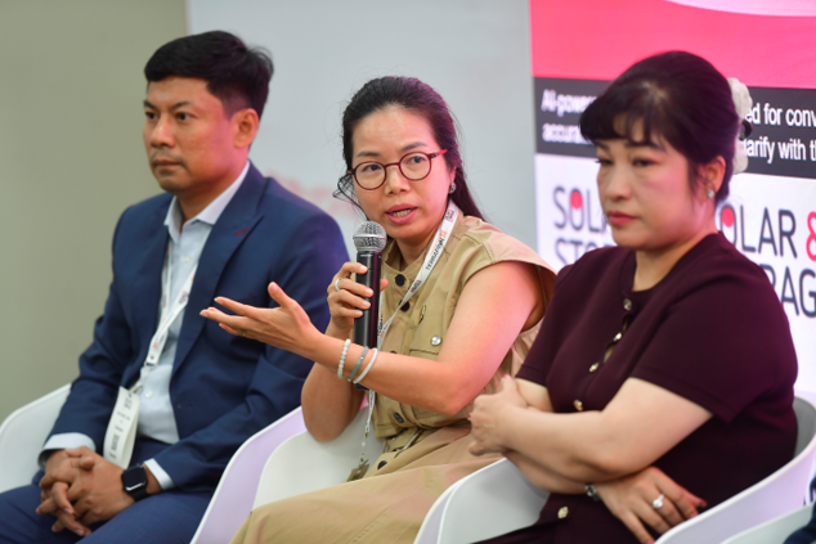
Drawing on its experience in delivering numerous domestic and international projects, Coteccons believes that sustainable development is no longer merely a branding choice—it has become a core competitive advantage in a market that increasingly prioritizes ESG standards and carbon reduction.
Coteccons accompanies the journey toward greener buildings
Through its participation in the panel discussion “Not Green, Not Filled: The New Rules of Vietnam’s Real Estate Market,” Coteccons reaffirmed its commitment to acting as a strategic partner, supporting developers from planning and design to construction and building operations.
With extensive experience in delivering projects that meet international green certification standards, combined with its Design & Build capabilities, digital solutions, and data-driven management approach, Coteccons continues to advance sustainable construction practices, contributing to the realization of Net Zero goals and enhancing the long-term development of Vietnam’s construction industry.